
What is the best ski outfit for beginners? When it comes to hitting the slopes for the first time, choosing the right ski outfit can make all the difference in your comfort and enjoyment. As a beginner, it's important to prioritize functionality and warmth while also considering style. One of the key pieces of any ski outfit is a good pair of waterproof pants. Look for pants that are insulated to keep you warm and have reinforced knees and seat for durability.
For your jacket, opt for one that is both waterproof and breathable to keep you dry from snow and sweat. Look for features like a hood, wrist gaiters, and plenty of pockets for storing essentials like snacks or a trail map. Layering is essential when skiing as temperatures can vary throughout the day. Start with a moisture-wicking base layer to keep sweat away from your skin, add an insulating mid-layer like a fleece or down jacket, and finish off with your waterproof outer layer.
A good pair of gloves or mittens will keep your hands warm while skiing, and goggles are essential for protecting your eyes from wind and snow glare. Finally, don't skimp on quality when it comes to ski socks. Look for ones that are moisture-wicking and provide cushioning in key areas like the shin and ankle. Overall, the best ski outfit for beginners combines functionality, warmth, and style.
By investing in quality pieces that are designed specifically for skiing, you'll be able to focus on improving your skills on the slopes without being distracted by discomfort or cold. So gear up properly before hitting the mountain - it will make all the difference in your skiing experience! What is the latest trend in ski wear? Ski wear is constantly evolving, with new trends emerging each season.
One of the most prominent trends in ski wear right now is the use of bold colors and patterns. Eye-catching designs not only make a statement on the mountain but also help skiers stand out in a crowd. Bright neon hues, geometric prints, and color-blocking are all popular choices for those looking to add some flair to their ski outfits.
Ski outfits come in a wide variety of styles and colors, each designed to meet the specific needs and preferences of skiers. Here’s a look at different ski outfit ideas based on color, style, and function:
Black ski outfits are timeless and versatile, offering a sleek and sophisticated look on the slopes. A black ski jacket paired with matching pants is a popular choice, often complemented by bright or reflective accessories like gloves, beanies, and goggles to add a touch of color and ensure visibility.
White ski outfits create a clean, crisp appearance that stands out against the snowy backdrop. Pairing a white jacket with white or contrasting colored pants can create a striking look. Accessories in bold colors, such as red or blue, can add vibrancy and style.
Red ski outfits are perfect for those looking to make a bold statement. A red jacket paired with black or grey pants is a common choice, offering a dynamic and energetic look. Red accessories like beanies and gloves can complete the outfit for a cohesive appearance.
Blue ski outfits are stylish and versatile, ranging from light sky blue to deep navy. A blue ski jacket with white or grey pants creates a fresh, modern look. Blue-tinted goggles and matching gloves enhance the overall style while providing functionality.
In the UK, ski fashion trends for 2024 emphasize a blend of functionality, sustainability, and bold style statements. Here are some key trends:
Sustainability is at the forefront of ski fashion in the UK. Brands like Patagonia and Picture Organic Clothing are gaining popularity for their eco-friendly materials and ethical production processes. Skiers are increasingly opting for outfits made from recycled fabrics and sustainable insulation, reflecting a growing awareness of environmental impact.
Retro-inspired ski outfits are making a comeback. Bold color blocks, neon accents, and vintage patterns are seen on the slopes, evoking the style of the 80s and 90s. Brands are releasing collections that combine modern performance with nostalgic designs, appealing to skiers looking for a fun and vibrant look.
Advancements in fabric technology are a significant trend, with high-tech materials offering improved waterproofing, breathability, and thermal regulation. Outfits made with Gore-Tex, PrimaLoft, and other advanced materials ensure skiers stay warm and dry in varying weather conditions.
The trend towards functional fashion is evident, with ski outfits designed for versatility and practicality. Features like multiple pockets, adjustable hoods, and removable layers are popular. This functionality is paired with sleek designs that look good both on and off the slopes.
Another key trend in ski wear is the incorporation of technical fabrics and materials. Advances in fabric technology have allowed for the creation of garments that are both waterproof and breathable, keeping skiers warm and dry even in harsh weather conditions. Many ski wear brands are also focusing on sustainability by using eco-friendly materials such as recycled polyester or organic cotton. In terms of silhouette, oversized jackets and pants are making a comeback in ski fashion. Loose-fitting outerwear allows for greater freedom of movement while still providing ample protection from the elements.
Accessories play an important role in completing a stylish ski outfit. Statement goggles, cozy beanies, and functional gloves are all must-have items for any skier looking to stay warm and fashionable while hitting the slopes. Brands are also incorporating innovative features into their accessories, such as touchscreen-compatible gloves or magnetic lens-swapping systems on goggles. Overall, the latest trend in ski wear focuses on combining performance-driven design with bold aesthetics.
Whether you're a seasoned pro or hitting the mountain for the first time, there's never been a better time to upgrade your ski wardrobe with these trendy new styles. What is a stylish yet functional ski outfit? When hitting the slopes, it's important to stay warm and comfortable without sacrificing style. A stylish yet functional ski outfit should include a few key pieces that will keep you looking chic while also providing the necessary protection from the elements.
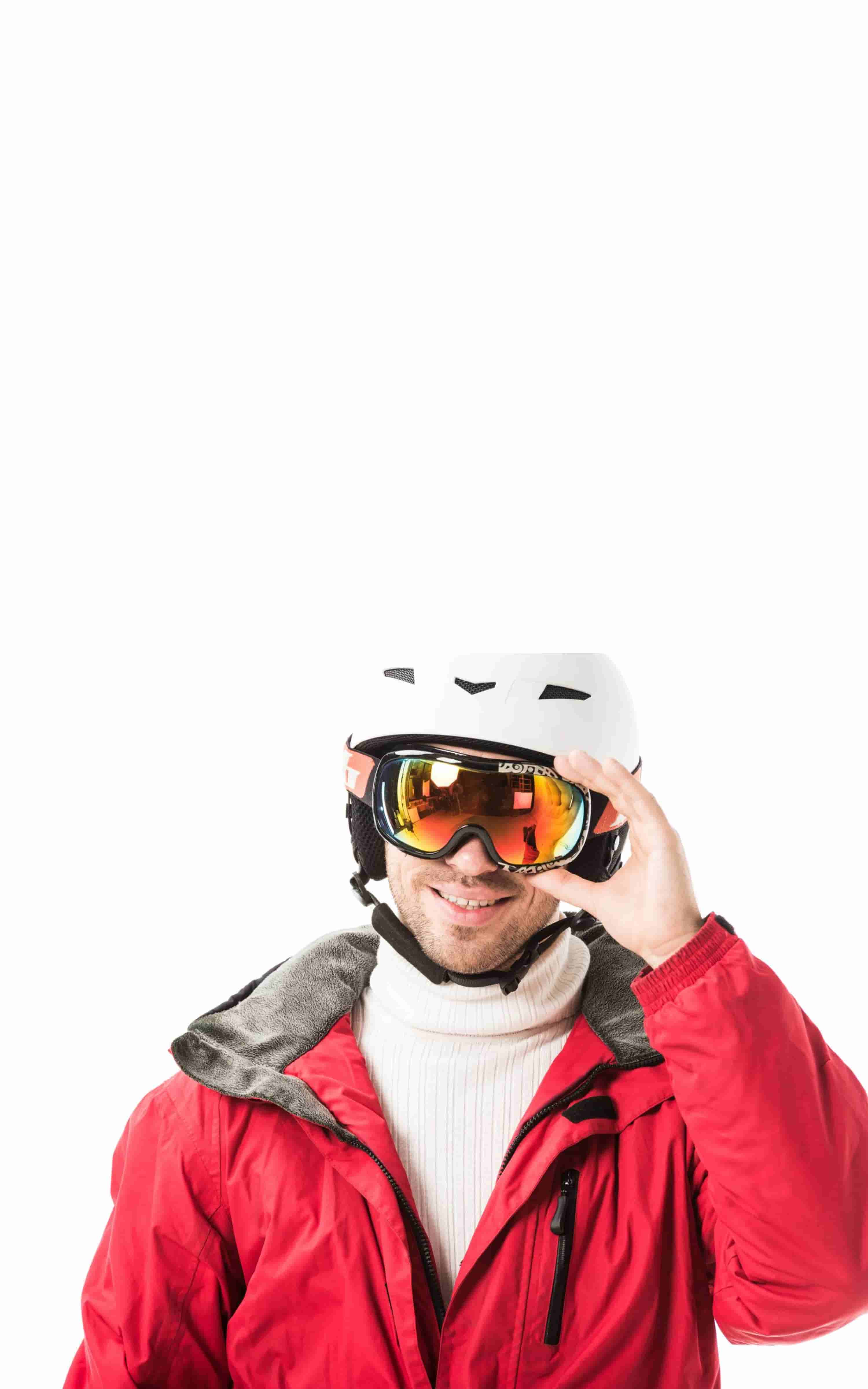
First and foremost, a good base layer is essential. Choose moisture-wicking thermal leggings and a long-sleeved top to help regulate your body temperature and keep you dry throughout the day. Look for materials like merino wool or synthetic blends that are breathable and quick-drying. Next, invest in a high-quality ski jacket and pants that are both waterproof and insulated.
Features like adjustable cuffs, pit zips, and plenty of pockets will add functionality to your ensemble. Don't forget about accessories! A cozy beanie or helmet-compatible hat will keep your head warm, while insulated gloves or mittens are essential for protecting your hands from frostbite.
Finish off your look with a stylish neck gaiter or scarf, as well as some trendy ski socks to keep your feet dry and blister-free inside your boots. And of course, don't skimp on proper footwear � invest in a pair of sturdy snow boots with good traction to ensure you stay safe on slippery surfaces. Overall, a stylish yet functional ski outfit is all about finding the right balance between fashion and practicality.
What is the ideal layering system for skiing? When it comes to hitting the slopes for a day of skiing, having the right layering system can make all the difference in your comfort and performance. The ideal layering system for skiing consists of three main layers: a base layer, an insulating mid-layer, and an outer shell.
The base layer is crucial for wicking away moisture from your skin and keeping you dry. This layer should be made of a moisture-wicking material such as merino wool or synthetic fabric. It should fit snugly against your skin without being too tight, allowing for proper ventilation and mobility. The insulating mid-layer provides warmth and helps regulate your body temperature. This layer can vary depending on the weather conditions, but popular options include fleece jackets or down vests. The key is to choose a mid-layer that is breathable and lightweight so that you can easily adjust your temperature as needed.
This layer should be waterproof and windproof to keep you warm and dry in any conditions. Look for ski jackets with features such as adjustable hoods, powder skirts, pit zips, and taped seams to ensure maximum protection. In addition to these three main layers, accessories such as gloves, hats, neck gaiters, and socks are also important for staying comfortable while skiing. Be sure to choose materials that are moisture-wicking and insulated to keep your extremities warm and dry. By following this ideal layering system for skiing, you can stay comfortable and perform at your best on the slopes.
With the right gear, you'll be able to focus on enjoying the thrill of skiing without being hindered by discomfort or cold temperatures. What is the most important accessory for a ski outfit? When hitting the slopes, one of the most important accessories for a ski outfit is undoubtedly a good pair of gloves. Skiing can be a cold and wet sport, so having proper protection for your hands is crucial to ensure an enjoyable experience on the mountain. Not only do gloves keep your hands warm in freezing temperatures, but they also provide essential grip and dexterity when navigating through challenging terrain or adjusting equipment.
Without proper gloves, your fingers could quickly become numb and lose their ability to function effectively, putting you at risk of injury or discomfort. In addition to warmth and functionality, a quality pair of ski gloves should also offer waterproof and breathable properties to keep your hands dry and comfortable throughout the day. Wet gloves can lead to chafing, blisters, and even frostbite in extreme conditions, so it's important to invest in a pair that can withstand the elements. Furthermore, some ski gloves come with added features such as wrist straps, insulation layers, touchscreen compatibility, and reinforced palms for extra durability.
Overall, while there are many accessories that can enhance your ski outfit, a good pair of gloves should be at the top of your list. They not only keep you warm and dry but also improve your performance on the mountain by allowing you to maintain control over your equipment. So next time you head out for a day on the slopes, don't forget to pack a reliable pair of ski gloves � your hands will thank you!
When it comes to hitting the slopes during winter, having the right gear is essential to ensure a comfortable and enjoyable experience. One key piece of equipment that can make all the difference in keeping you warm and dry is your outerwear. Ski jackets and snowboard jackets are two popular options for winter sports enthusiasts, but what exactly sets them apart?
ski outfit ideas - Trendy ski outfit ideas for this winter season
One of the main differences between ski jackets and snowboard jackets lies in their design and functionality. Ski jackets are typically more streamlined and form-fitting, with a focus on mobility and flexibility to accommodate the range of motion needed for skiing. They often feature a longer cut at the back to provide extra coverage while bending forward during skiing. On the other hand, snowboard jackets tend to be baggier and longer in length to allow for a more relaxed fit that complements the snowboarding style. Snowboarders often prefer looser outerwear that allows for greater freedom of movement when performing tricks or jumps on the slopes. Another key difference between ski jackets and snowboard jackets is in their features.
They may also have vents under the arms or on the sides to help regulate body temperature during intense physical activity. Snowboard jackets, on the other hand, often come equipped with extra padding or reinforcements in high-impact areas such as elbows, shoulders, and wrists to protect against falls while riding. They may also have specialized pockets or loops for attaching equipment like helmets or gloves. In terms of style and aesthetics, ski jackets tend to be more classic and understated in design, with solid colors or simple patterns that appeal to a wider range of skiers. Snowboard jackets, on the other hand, often feature bold graphics, bright colors, and unique prints that cater to the more fashion-forward aesthetic preferred by many snowboarders.
Both types of outerwear offer protection from cold temperatures and wet conditions, so it's important to consider factors like fit, features, and style when making your decision. Whichever option you go with, investing in quality outerwear designed specifically for winter sports will help you stay warm, dry, and comfortable so you can focus on enjoying your time on the slopes. So whether you're carving down snowy mountainsides on skis or shredding fresh powder on a snowboard, make sure you're properly equipped with the right jacket for your chosen winter sport. What is the best material for ski pants? When it comes to choosing the best material for ski pants, there are a few key factors to consider.
The best material for ski pants should be waterproof, breathable, durable, and flexible enough to allow for freedom of movement on the slopes. One of the most popular materials used for ski pants is Gore-Tex. Gore-Tex is a high-performance fabric that is both waterproof and breathable, making it ideal for skiing in wet or snowy conditions. This material is also highly durable and abrasion-resistant, which means it can withstand the wear and tear of frequent skiing trips. Additionally, Gore-Tex is known for its flexibility, allowing skiers to move freely without feeling restricted by their pants.
Pair a green ski jacket with black or dark green ski pants. For a cohesive look, choose green-tinted goggles and black gloves.
Trendy ski outfits for women include matching ski jackets and pants in bold colors, like red or blue, paired with stylish accessories such as beanies, goggles, and gloves.
Black ski outfits are versatile and can be paired with any color. Bright colors like red, yellow, or neon green for accessories create a striking contrast.